6.798.

At some point maybe ten years ago I realized that a fundamental pillar of myself had collapsed. I watched it fall and I did nothing. It wasn’t just in the details, it was the details. I stopped focusing on the little things in order to try to see some bigger picture view. As a result those little things added up the way one weed eventually becomes a weed-filled yard and that yard leads to a broken visage and that visage, once beautiful, becomes a dump. In that way I’ve watched my self and soul degrade into a dump. I’ve watched myself become a person who routinely allows assholes to not only walk over me but to get in my head. I’ve become a person who, instead of doing what I want to be doing with my life, is doing an unstable and watered down version of it because I am no longer operating from a stable foundation.

I think about how to repair the foundation all the time. All the while I continue to get older. I continue to grow into recognize death as an increasingly close eventuality. I continue to see my existence as a setting sun vs. dawning or midday or anything that promises long lived days or a positive future. I talk about being surrounded by negativity, but you don’t have to dig very deep into my past to recognize that the last time I wasn’t constantly surrounded by negativity I was 11 years old. I suffered from arrested development about a year later.

I long looked at lists as a way of organizing what was happening in my life and scratching off what needed to get done on a day to day basis. That stop-gap approach got me nowhere. The problem wasn’t the lists but what was on them and how much time I devoted to me and being a better version of me. Not much, to be honest. So, moving forward I am going to put aside a period of time–I don’t know how much–to rebuild myself and to worry about nobody and nothing else but that task.

I’ll start today.
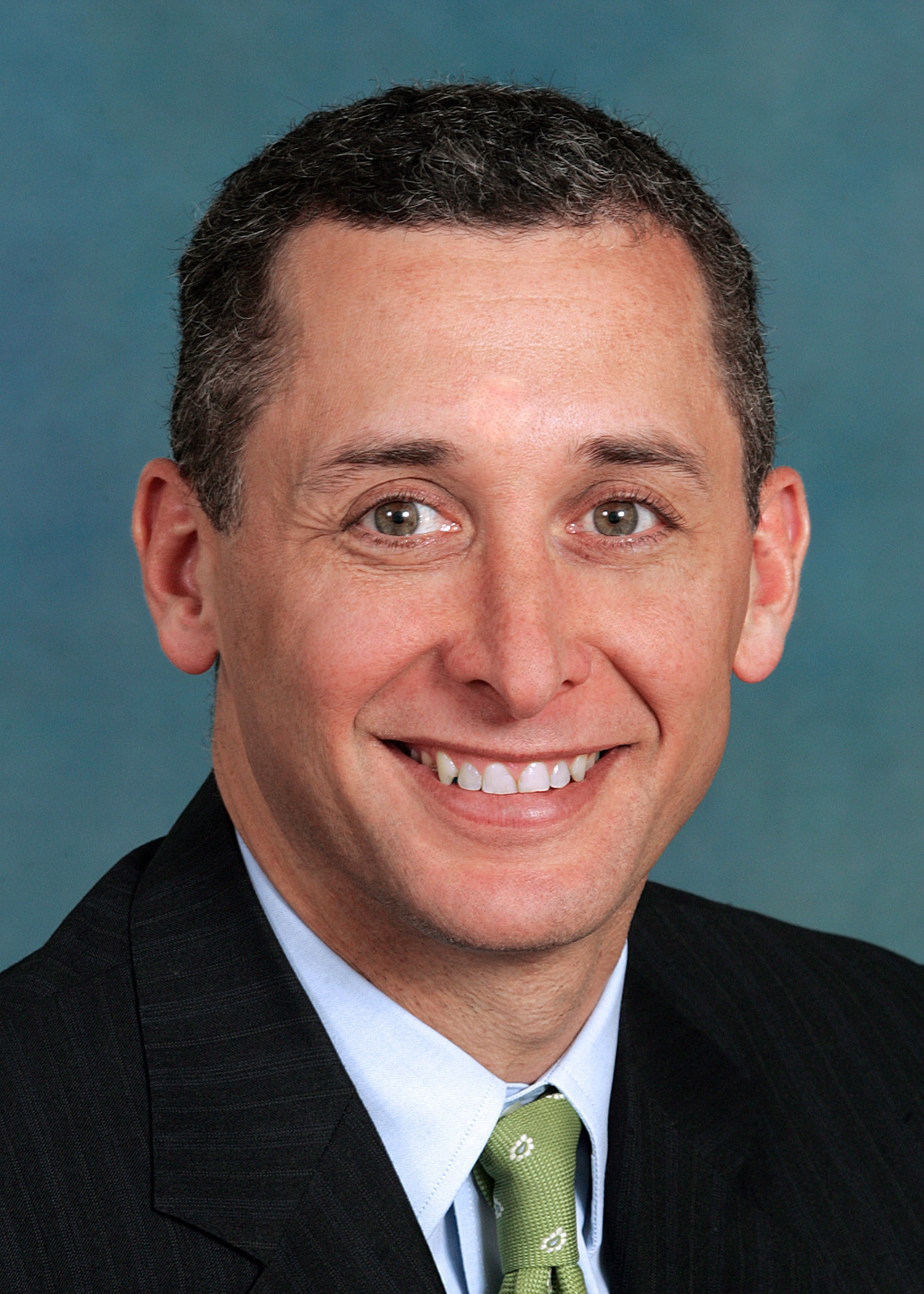
6.797. Reflections on the New Face of Black Success

This is Rene’ Jones.

This is Mike McDaniel

Both have been highly touted in recent years as being signifiers of success. Black success. Jones is one of 4 black CEOs in the fortune 500. There have only been 19 black CEOs in the history of the f500 and Jones gets more press than any of them. McDaniel has been hyped for years as the next great head coach. Now he’s being called an exemplar minority coach. Until recently nobody really talked about him being black. It wasn’t until the Dolphins needed to hire someone black in order to fulfill what looks to be a PR mishap based on the Flores firing that McDaniel’s race even became an issue.

What I find interesting about these men is that while being black, they don’t appear at all representative of black culture. That is the larger argument for me. The black people who are being put in front of us are, Black-ish. I use that term pointedly given the fact that the show itself ended because it was getting too black. Often our overarching American culture likes to pigeon hole black culture in a way that highlights the creativity and energy of the people as something sub-general to our reality. In other words, black culture is cool to look at and talk about but it isn’t to be integrated into the mainstream beyond fringe. Consider this: Billboard compiled a timeline of hip-hop performances at the Super Bowl. The timeline begins in 1998 and includes 8 different performances that include hip hip as a side piece to the main performance. In fact the only representations of Black American performance would be the 1998 Motown tribute, the Black-Eyed Peas performance, and the Weeknd performance. Except the Black Eyed Peas aren not black outside of Will.I,AM and the Weeknd is Canadian.

All of this is to say that Black remains a negative in American culture and a part of the reason is because it is and always has been shadowed by another version of blackness–a black-ish version characterized by Carlton and Urkel and everyone else capable of passing as a non-aggressive version of what we call black in America. All of this exists to preserve the idea of the aggressive black male because, in some way, we need that to be a part of our cultural identity as it always has been.